
July 16, 2026
The First Automobiles to Appear in Georgia
The history of automobiles in Georgia spans more than a century and is closely connected to the country's technological and social development.
-BbUwnWU5jS1wnvz7mJkGj1wjrmLxye.jpeg%3Fprefix%3Dprod&w=3840&q=75)
The history of automobiles in Georgia spans more than a century and is closely connected to the country's technological and social development. The innovation that transformed transportation and everyday life arrived in the early 20th century, with the first major milestone taking place in 1901.
It was during this period that the first internal combustion engine vehicles - described by the contemporary press as "self-propelled carriages" - appeared in Georgia. As the administrative center of the Caucasus, Tbilisi naturally became the country's first hub of automobilization. Soon after, automobiles also reached the port city of Batumi and the popular resort town of Borjomi, a favored destination of the Russian Empire's elite.
At the time, owning an automobile was considered a luxury reserved for the wealthiest citizens, major industrialists, and high-ranking government officials. According to archival records and newspapers of the era, the first automobile in Tbilisi belonged to General Antonov of the Caucasus Regional Engineering Administration. Around the same time, prominent Georgian industrialists and public figures, including Giorgi Nikoladze and Mikheil Aramyants, also purchased their own vehicles.
-w2TNIgUbQ8tVpG766uUSBQFchTIrZe.jpg?prefix=prod)
Since Georgia had no automobile dealerships at the time, vehicles were ordered directly from Europe, primarily from France and Germany. Early roads were dominated by French De Dion-Bouton, German Benz, and later American Ford automobiles. Many of these cars arrived together with foreign drivers and mechanics, as qualified local specialists had yet to emerge.
The arrival of this new technology sparked mixed reactions across Georgian society. Progressive circles welcomed the speed and convenience automobiles offered, while many citizens viewed them with fear and suspicion. Noisy engines and exhaust fumes frightened horses on city streets, often causing dangerous situations. Newspapers of the time frequently reported complaints from residents, who referred to the vehicles as "fire-breathing carriages" and accused them of endangering public safety. Despite the skepticism, public curiosity was enormous, and every new automobile that appeared on the streets attracted crowds of onlookers.
As the number of automobiles gradually increased, the need for modern infrastructure became evident. Roads originally designed for horse-drawn carriages were no longer suitable for motor vehicles. The Tbilisi municipal authorities began paving the city's central streets with cobblestones and later asphalt. During the first decade of the 1900s, the city also introduced its first official traffic regulations, limiting vehicle speeds within urban areas to 10–12 versts per hour (approximately 11–13 km/h).
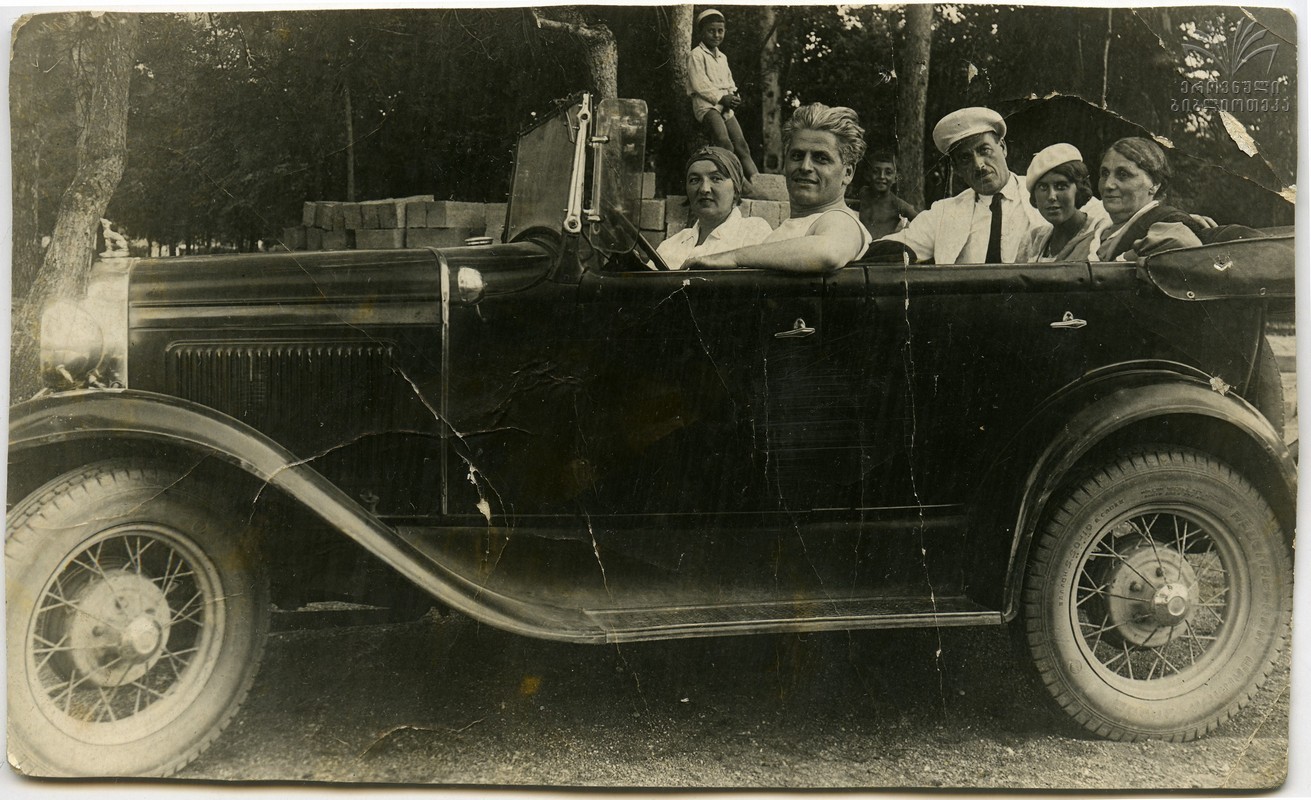
By 1906–1907, automobiles had begun serving commercial and public transportation purposes as well. Georgia's first regular passenger routes operated between Tbilisi and Manglisi, as well as Tbilisi and Vladikavkaz, using large-capacity motor vehicles. These services accelerated the development of road infrastructure beyond the capital. Initially, fuel was sold through pharmacies and specialized merchants, while by the 1910s the country had established its first dedicated repair workshops and permanent fuel storage facilities.
The arrival of the automobile in Georgia was far more than a technological innovation. It marked a turning point in the country's modernization, reshaped economic connections, and laid the foundation for the road culture and automotive industry that continue to play a significant role in Georgia's economy today.


-Vvzx2GgZgyOzNMcHnzAxTkVj1wBSIs.jpeg%3Fprefix%3Dprod&w=3840&q=75)
-4Eo0Jx7h7QNSujDcJZKQGUn6MLBdRb.jpeg%3Fprefix%3Dprod&w=3840&q=75)
-Rm0hhzivz4UR2qUQjtdN2v0g7T0jmu.jpeg%3Fprefix%3Dprod&w=3840&q=75)

