
August 10, 2026
3 of the Most Difficult Classic Cars to Acquire
The classic car market has become one of the steadily growing segments of the automotive industry over the past several decades.

The classic car market has become one of the steadily growing segments of the automotive industry over the past several decades. While vintage cars were once primarily the interest of enthusiasts and private collectors, today the segment has become an important part of investment, cultural heritage, and the preservation of automotive history.
Nevertheless, there are cars whose acquisition depends far more on their availability than on financial means. Some models are so rare that they may not appear at international auctions for decades, while their owners often pass them down from generation to generation and almost never put them on the market.
The value of such cars is determined by much more than their age or the popularity of their brand. The number of examples produced, the model’s historical significance, technical authenticity, originality, and ownership history all play a crucial role.
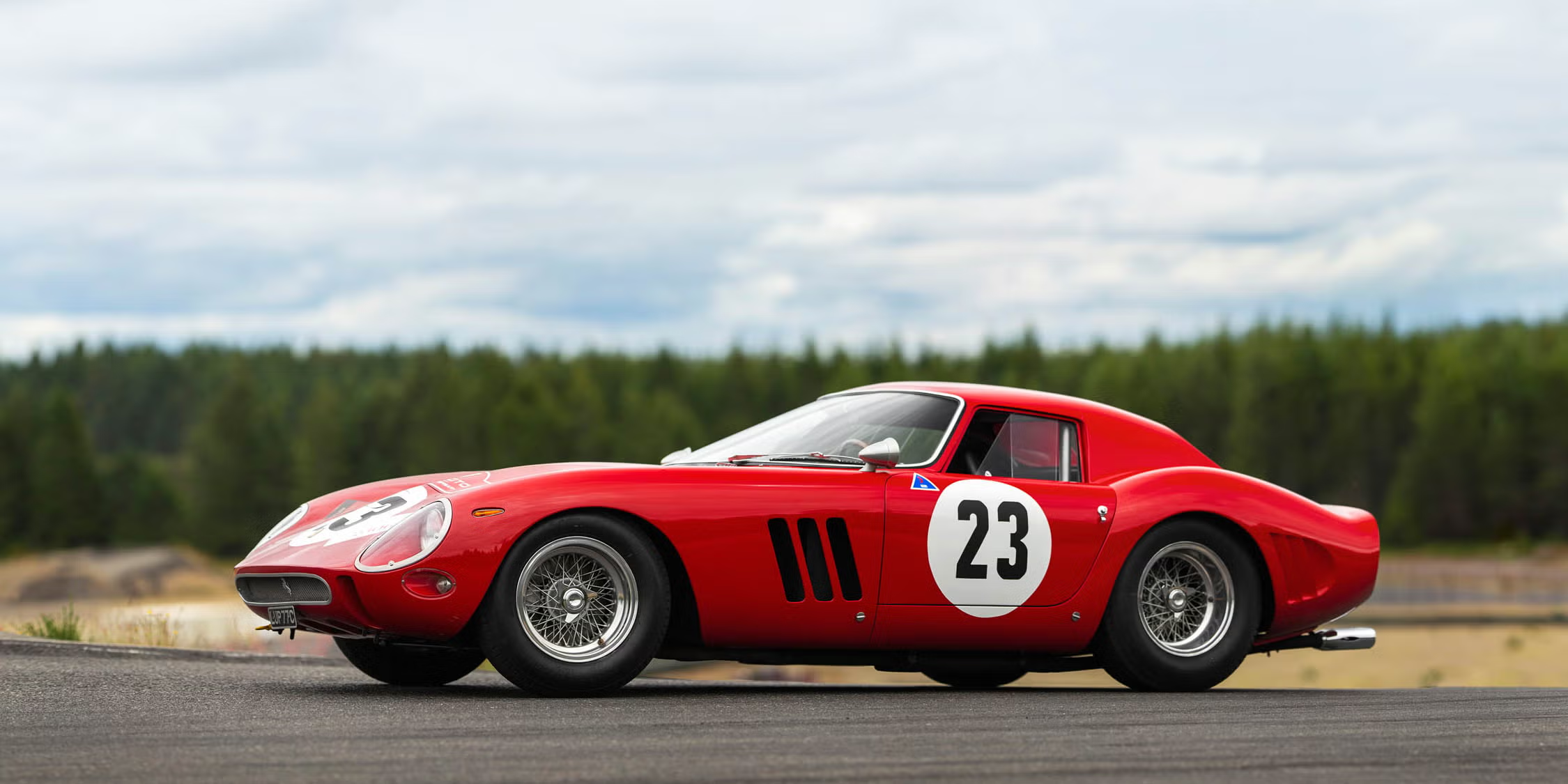
One of the most notable examples is the Ferrari 250 GTO, widely regarded as a benchmark in the world of classic automobiles. Only 36 examples were produced between 1962 and 1964, making it an exceptionally rare car from the moment it was introduced.
The car was originally developed for international motorsport, but over time its significance extended far beyond its racing history. Its successful engineering solutions, refined Italian design, and limited production have placed the Ferrari 250 GTO among the cars whose appearance at international auctions is always a major event. This is why acquiring one is far more difficult than simply being able to afford its record-breaking price.
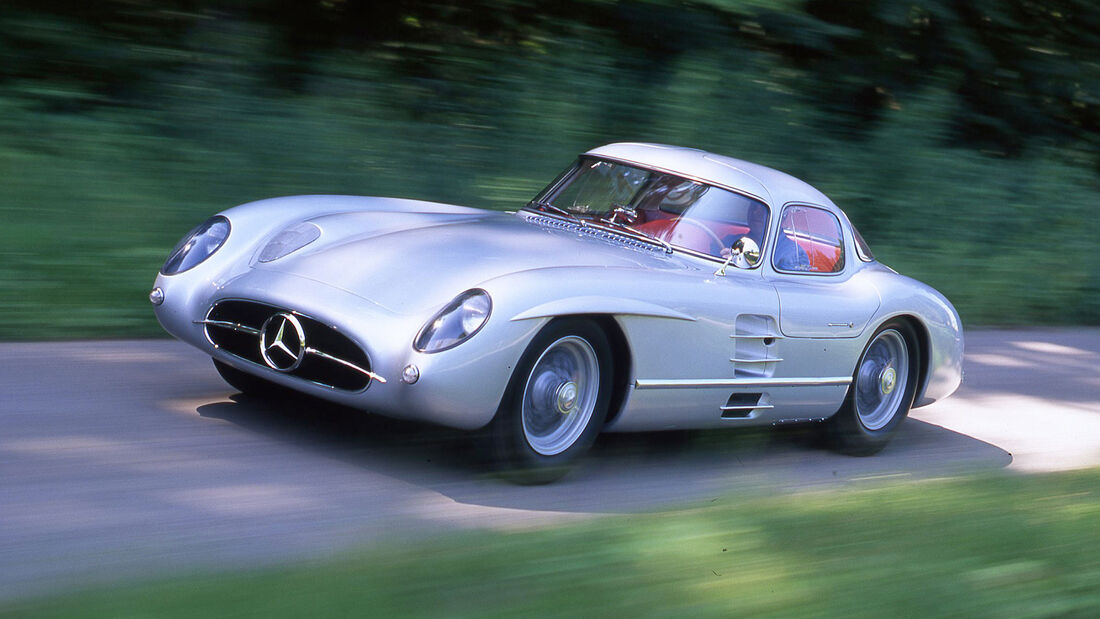
Equally remarkable is the Mercedes-Benz 300 SLR Uhlenhaut Coupé, considered one of the rarest automobiles in automotive history. Only two examples were created in 1955, and both remained in the manufacturer’s possession for many years. The car combined the racing technology of its era with the concept of a road-going automobile, giving it a unique place from an engineering perspective as well.
When one of the two examples was eventually sold and set a historic record in the global automotive market, it once again demonstrated the car’s uniqueness and exclusivity. Such events are exceptionally rare, making the appearance of this model on the market virtually unprecedented.
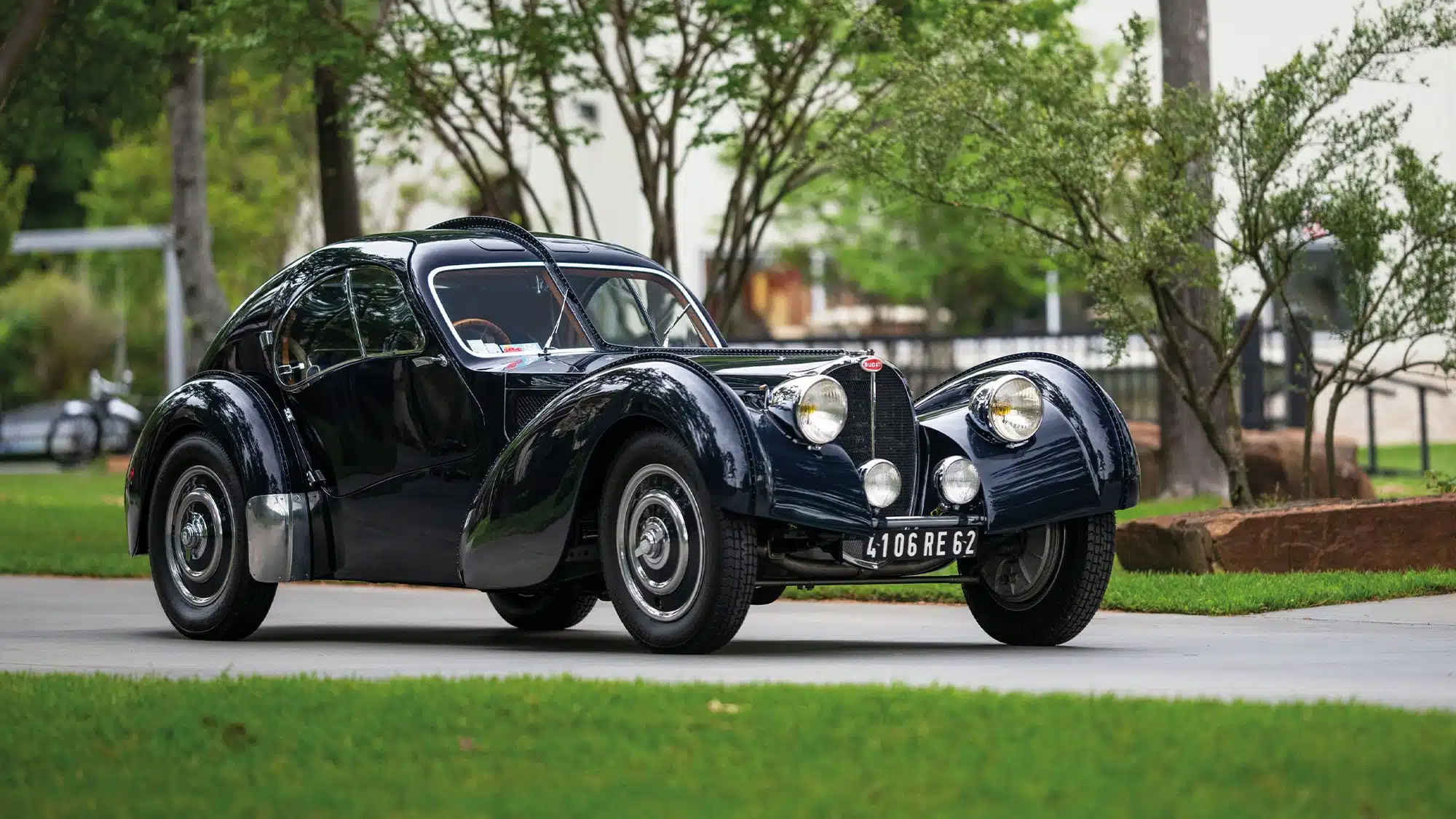
While the first two models stand out for their engineering and sporting heritage, the Bugatti Type 57SC Atlantic is primarily recognized as one of the greatest achievements in automotive design. Only four examples were produced in the 1930s, one of which is still considered lost. The remaining examples are held in private collections and museums, and opportunities to acquire one are extraordinarily rare.
Its distinctive aerodynamic shape, handcrafted body, and historical significance make the model a subject of exceptional interest not only to collectors, but also to researchers of automotive design.
Acquiring a rare classic car requires far more than the necessary financial resources. Access to information, constant monitoring of international markets, detailed verification of a vehicle’s history, and professional assessment of its technical condition are all essential factors.
Sources:
https://newsroom.bugatti.com/press-releases/bugatti-type-57-sc-atlantic-a-style-icon
https://www.ferrari.com/en-GE/magazine/articles/the-most-celebrated-car-ever-made
https://www.mercedes-benz.com/en/innovation/milestones/uhlenhaut-coupe-300-slr/

-Vvzx2GgZgyOzNMcHnzAxTkVj1wBSIs.jpeg%3Fprefix%3Dprod&w=3840&q=75)
-4Eo0Jx7h7QNSujDcJZKQGUn6MLBdRb.jpeg%3Fprefix%3Dprod&w=3840&q=75)
-Rm0hhzivz4UR2qUQjtdN2v0g7T0jmu.jpeg%3Fprefix%3Dprod&w=3840&q=75)

