
September 23, 2026
A Car’s Second Life: How an Old Vehicle Gains Value in a New Market
A vehicle’s story does not end when it has served its first owner. In today’s economy and global logistics environment, the used car market has entered an entirely new stage.
-vOxYylwHYABX4A4HQjkPQLqSIaQPOw.jpeg%3Fprefix%3Dprod&w=3840&q=75)
A vehicle’s story does not end when it has served its first owner. In today’s economy and global logistics environment, the used car market has entered an entirely new stage.
When we talk about a car’s second life, the process has long gone beyond technical inspections and oil changes. It begins on the digital platforms of leading auctions and continues through container shipping, customs corridors, and seaports.
A specific example of this process could be a 2018–2020 vehicle that ends up at an auction in the United States after an accident. At first glance, its story may seem to be over. However, with the right assessment, a vehicle like this can be restored. It moves through a complex logistics chain and arrives in a new country, where its body, suspension, and electrical systems are repaired and restored, eventually allowing it to return to the road.
Another case involves classic cars, whose value is not determined by age alone. For example, a 1990s BMW, Mercedes-Benz, or Porsche can remain highly sought-after years later, particularly when its core structure is still in good condition. These vehicles are often restored to their original appearance while also being upgraded with modern technologies, such as improved brakes, suspension, lighting, or modern multimedia systems.
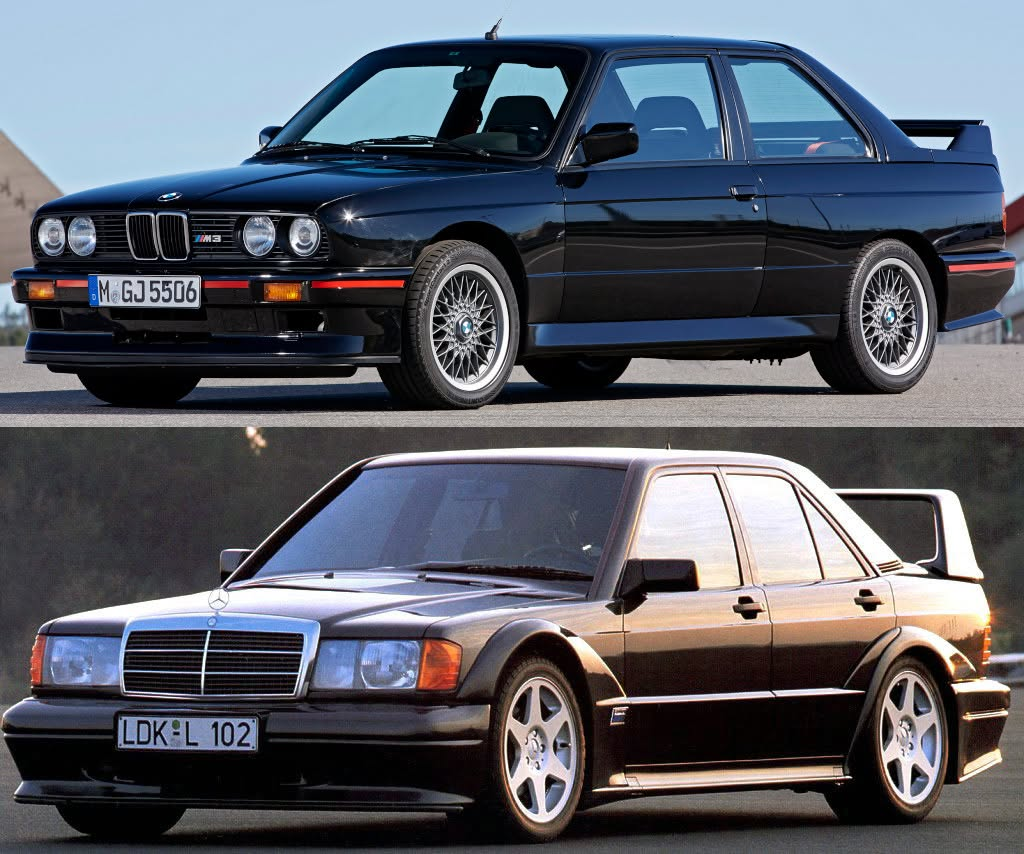
Another interesting example is older pickup trucks and SUVs. A vehicle that may be less desirable in one market can acquire a completely different value in another country. Their durable bodies and robust construction often provide a strong foundation for restoration and adaptation to the demands of a specific market.
Along this long journey, every logistics detail can determine what condition the vehicle reaches its destination in, where restoration awaits. Classic and beloved models are often not only returned to their original appearance but also enhanced with modern, more powerful engineering and components.
Today, the used car market has become remarkably competitive and in-demand. For an older vehicle to retain its value in the market, it requires the right investment and approach. The key is for the body structure to remain solid and safe, as most other technical components can now be replaced or upgraded relatively easily. At the same time, maintaining older engines and, when necessary, modernizing them is becoming increasingly important so that vehicles can also meet modern environmental requirements.
Ultimately, giving a vehicle a second life requires professionalism, reliable logistics, and technical expertise. When transportation and restoration are handled properly, an old car can move beyond the stigma of being “used” and become a reliable partner for its new owner.
Sometimes, a vehicle’s second life begins precisely when its first story comes to an end.


-Vvzx2GgZgyOzNMcHnzAxTkVj1wBSIs.jpeg%3Fprefix%3Dprod&w=3840&q=75)
-4Eo0Jx7h7QNSujDcJZKQGUn6MLBdRb.jpeg%3Fprefix%3Dprod&w=3840&q=75)
-Rm0hhzivz4UR2qUQjtdN2v0g7T0jmu.jpeg%3Fprefix%3Dprod&w=3840&q=75)

