
November 13, 2026
Why Are the Same Cars Manufactured Under Different Brand Names?
In the automotive industry, it is common to find two vehicles that are almost identical in appearance and technical specifications, yet are sold under completely different brand names and logos. At first glance, this may seem like a way of misleading consumers or an unusual marketing tactic. However, behind this practice lie significant economic, technological, and strategic considerations.

In the automotive industry, it is common to find two vehicles that are almost identical in appearance and technical specifications, yet are sold under completely different brand names and logos. At first glance, this may seem like a way of misleading consumers or an unusual marketing tactic. However, behind this practice lie significant economic, technological, and strategic considerations.
Developing a new vehicle from scratch can cost billions of dollars. When two or more manufacturers share the same chassis, engine, and transmission, research and development costs are distributed among them, while overall production costs are reduced. This approach is now a cornerstone of global automotive alliances and partnerships.
A good example is the collaboration between Toyota and Subaru, which resulted in the jointly engineered sports coupes Toyota GR86 and Subaru BRZ. The vehicles feature a Subaru engine combined with Toyota's fuel injection technology.
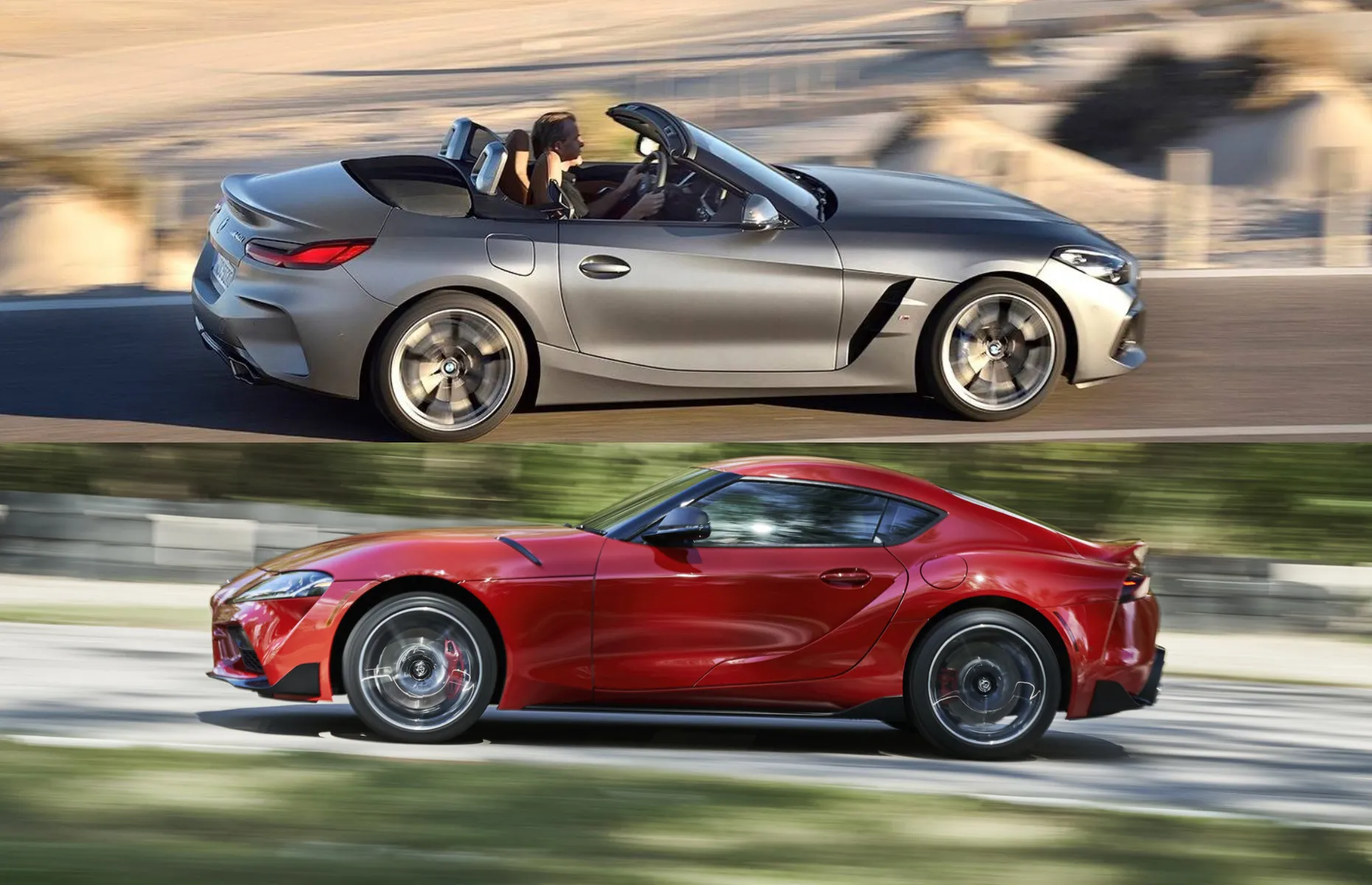
Similarly, the Toyota Supra and BMW Z4 share the same platform and engine, allowing Toyota to bring back its legendary model with significantly lower development costs.
Platform sharing also allows manufacturers to successfully target different price segments.
Companies use the same technical foundation but equip premium models with better sound insulation, higher-quality materials, and more advanced technology. For example, the Toyota Camry and RAV4 share certain technical foundations with Lexus models such as the ES and NX. Within the Volkswagen Group, the Golf and Passat also share engineering and platform technologies with the Audi A3 and A4 series.
This strategy enables manufacturers to serve both budget-conscious buyers and customers willing to pay more for brand prestige and premium features.
Geographical and regional market differences also play a crucial role, as consumer trust in particular brands varies from one market to another. This is why General Motors produced nearly identical vehicles under different brand names, including Chevrolet, Opel, and Holden, for many years.
In today's automotive industry, the rapid transition to electric vehicles has made this practice even more relevant. Developing new electric vehicle platforms requires enormous investment, making collaboration and resource sharing increasingly important for manufacturers.


